
10 Common Furniture Assembly Mistakes – And How to Avoid Them
Furniture assembly can be both exciting and frustrating. While the thrill of turning a box of panels and screws into a beautiful, functional piece of furniture is undeniable, the process often comes with unexpected challenges. Many people find themselves struggling with missing parts, misaligned panels, or unstable structures simply because of avoidable mistakes. Whether you’re setting up a flat-pack wardrobe, a new bookshelf, or a dining table, understanding the most common assembly errors—and how to prevent them—can save you time, effort, and unnecessary stress.

Skipping the Instruction Manual
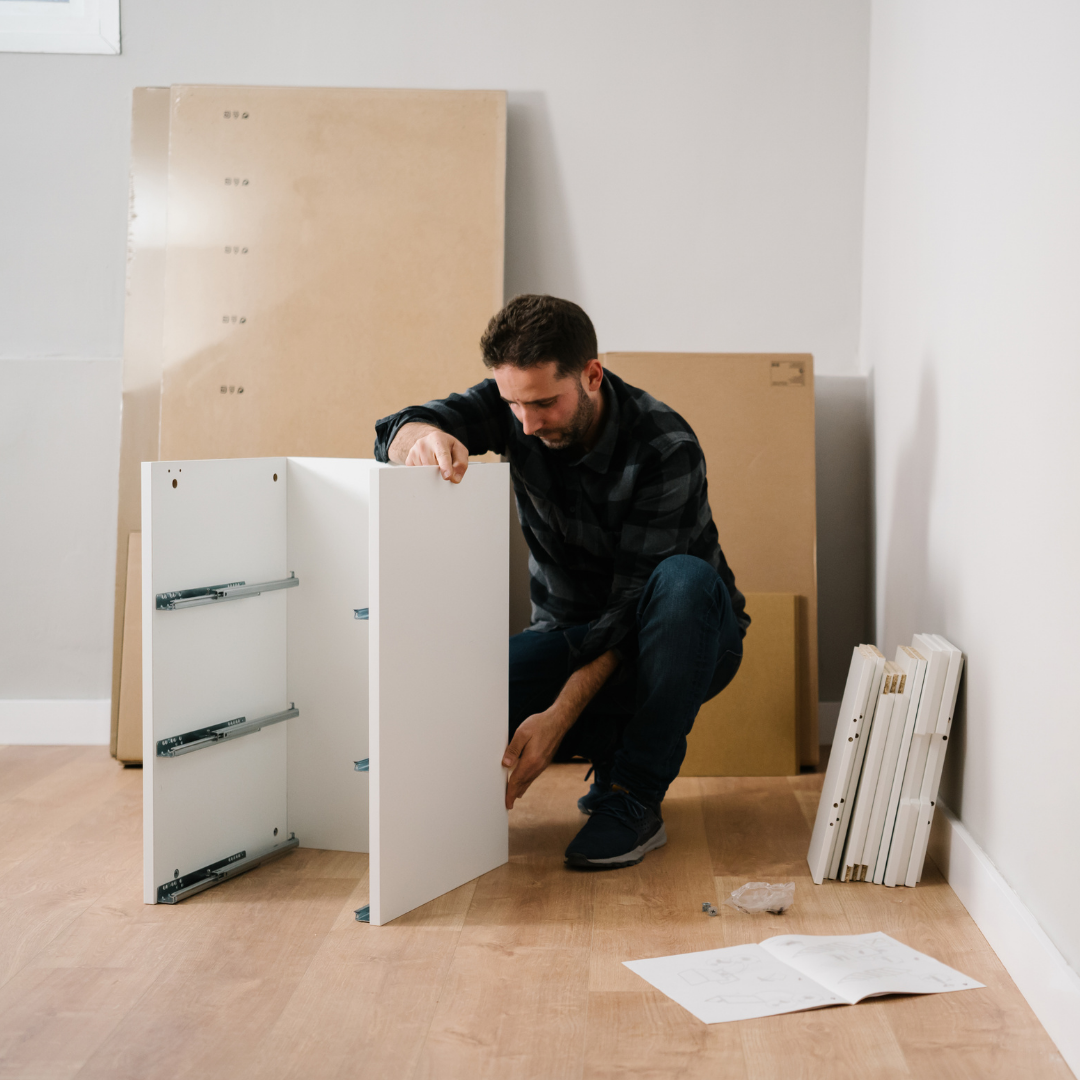
One of the biggest mistakes people make is diving into furniture assembly without carefully reading the instruction manual. It’s tempting to rely on intuition, especially if the furniture seems straightforward, but instructions are designed to ensure safety, stability, and proper functionality. Skipping over them can lead to assembling parts in the wrong order, missing crucial components, or even damaging the furniture. Before you start, take the time to read the manual from beginning to end, paying close attention to diagrams, warnings, and any notes about weight capacity or special tools.
Neglecting the Parts Checklist
Another common issue occurs before the first screw is turned—failing to check that all parts and hardware are present. Most flat-pack furniture includes a parts inventory sheet at the beginning of the manual, which lists every screw, panel, and bracket. Ignoring this step can lead to frustration halfway through when you realize something is missing. To avoid this, lay out all the parts on a flat surface and compare them with the checklist. This simple step ensures you can complete the project without unnecessary interruptions.
Using the Wrong Tools
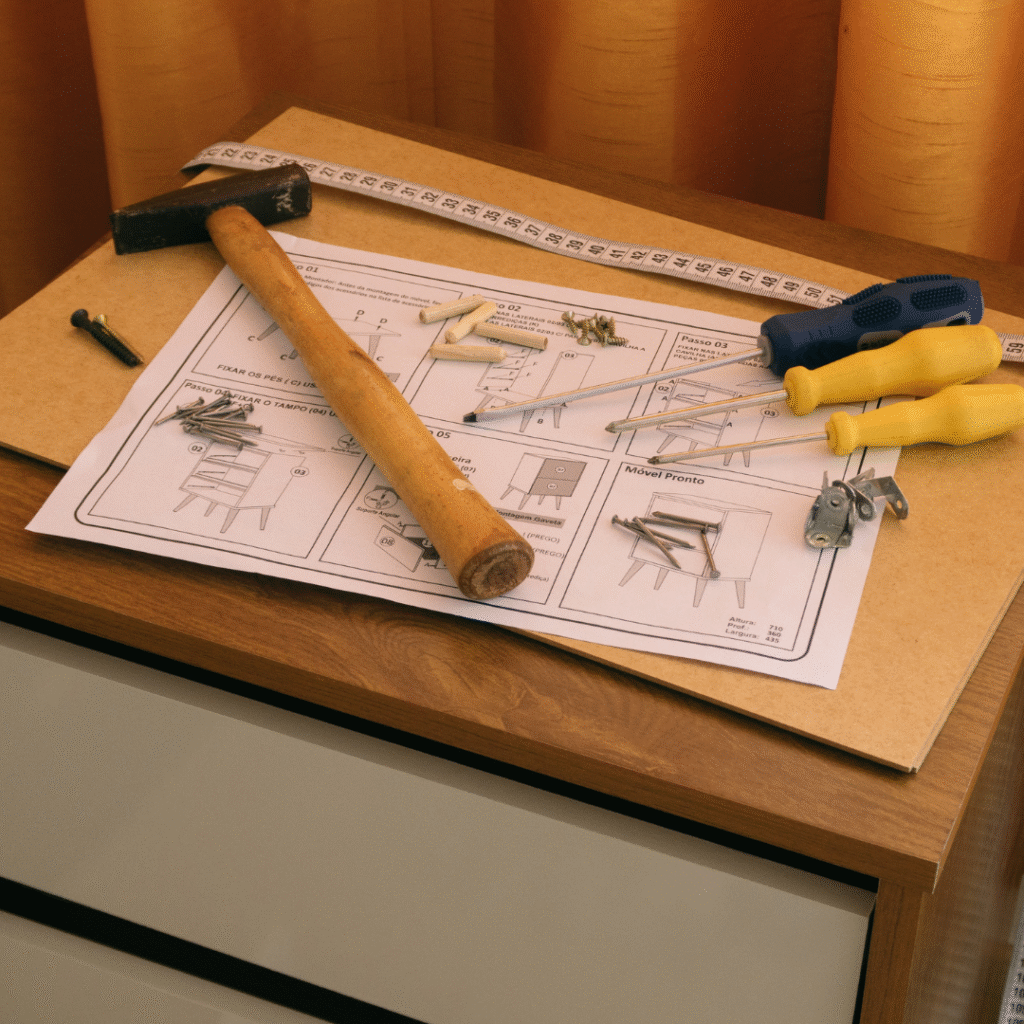
The right tools can make a world of difference in furniture assembly. Using an incorrect screwdriver or wrench can strip screws, damage surfaces, or make assembly unnecessarily difficult. Even worse, it can compromise the stability of the furniture. Always use the tools recommended in the manual, and consider investing in a basic toolkit that includes a variety of screwdrivers, Allen keys, and a small hammer. For power drills, use a low-torque setting to prevent overtightening and damaging the furniture.
Over or Under Tightening Screws
Screws that are too loose can leave furniture wobbly and unstable, while overtightening can crack panels or strip the screw threads. Both mistakes can shorten the lifespan of the piece. The key is to tighten screws firmly but not forcefully, ensuring they hold securely without stressing the material. If you’re using a power tool, control the torque settings to maintain balance between strength and safety.
Assembling in the Wrong Order
Furniture manufacturers design their instructions in a specific sequence for a reason. Assembling parts out of order can create alignment issues and make it impossible to attach certain pieces without taking the structure apart again. Even if a step looks simple enough to skip, following the correct order is essential for ensuring the furniture fits together perfectly. Sometimes, doing a loose “dry fit” before final tightening can help you understand how the pieces connect.
Working in a Cramped Space
The size of your workspace can significantly impact your assembly experience.
Trying to build a large bed frame in a cramped room or a wardrobe in a narrow hallway will limit movement and increase the risk of damage. Always clear a large, flat area before beginning. Ideally, assemble the furniture in the room where it will be placed to avoid moving it through tight spaces after it’s built. Laying a soft mat or blanket on the floor can protect both the furniture and your flooring from scratches.
Forgetting to Protect Surfaces
Furniture assembly often involves moving heavy panels and using metal tools. Without surface protection, it’s easy to scratch, dent, or scuff the furniture before it’s even in use. Always assemble pieces on a protected surface such as a carpet, blanket, or foam sheet. This not only safeguards the finish of your furniture but also prevents damage to your floors.
Attempting Solo Assembly When Assistance Is Needed
Many larger furniture pieces are designed for two-person assembly, not just for efficiency but for safety. Lifting heavy panels alone can lead to injuries or accidental damage to the furniture. When instructions recommend two people, take it seriously. Having a second person can make tasks like holding pieces in place, aligning screw holes, or lifting heavy sections far easier and safer.
Skipping Final Adjustments
Even after assembly is complete, the furniture may not be perfectly aligned. Doors may hang unevenly, drawers might stick, or the whole structure may lean slightly. Skipping final adjustments can leave your furniture looking unfinished and functioning poorly. Before considering the job done, use a spirit level to ensure the piece is straight, check that screws are consistently tightened, and make any necessary hinge or leg adjustments.
Throwing Away Spare Parts Too Early
Many people throw away leftover screws or bolts immediately after finishing the build, assuming they’re extras.
While some manufacturers do include spares, these parts can also indicate a missed step. Disposing of them too soon can cause problems if you discover an error later or need to make repairs. Keep all spare parts in a labeled bag along with the instruction manual for future reference.
Conclusion
Furniture assembly doesn’t have to be a stressful or frustrating process. Most common mistakes—from skipping the manual to working in a cramped space—stem from impatience or lack of preparation. By reading instructions thoroughly, checking parts in advance, using the right tools, and working in a well-prepared space, you can avoid the pitfalls that cause instability, damage, and wasted time. A careful, step-by-step approach not only ensures a sturdy, well-assembled piece but also makes the process far more enjoyable. With a little patience and attention to detail, you can turn a pile of parts into a functional and beautiful piece of furniture that will last for years.